




Pregnancy is one of the most beautiful experiences in a woman’s life. But if you’re expecting your first baby, it can also feel a little overwhelming.
One day, you’re excited about becoming a mother. The next day, you’re searching the internet for answers to questions you never thought you’d have. Is this food safe? How much should I eat? Can I continue exercising? Why am I feeling tired all the time? What should I avoid during pregnancy?
If these questions sound familiar, you’re not alone.
Your first pregnancy comes with plenty of changes. Your body begins adapting to support your growing baby, your daily routine may need a few adjustments, and you might experience symptoms that are completely new to you. The good news is that you don’t need to figure everything out overnight.
Following a few healthy habits, attending regular prenatal check-ups and understanding what to do and what to avoid can help you enjoy a safer and more comfortable pregnancy.
In this guide, we’ll cover practical pregnancy tips for first-time moms, including healthy eating, exercise, prenatal care, mental health, common mistakes and important pregnancy precautions.
1. Schedule Your First Pregnancy Check-Up Early
How to Prevent Preeclampsia in Pregnancy? – Bornbir
One of the first things you should do after confirming your pregnancy is schedule an appointment with a qualified healthcare professional.
This could be an obstetrician, gynecologist, midwife or another trained pregnancy care provider, depending on the healthcare system in your country.
Ideally, your first antenatal appointment should happen during the first trimester. Early care helps your doctor understand your health, estimate your pregnancy timeline and identify any risks that may need attention.
During your first visit, your healthcare provider may:
- Confirm your pregnancy and estimate your due date.
- Review your medical and family history.
- Check your blood pressure and weight.
- Recommend blood and urine tests.
- Check your blood group and Rh factor.
- Discuss medications and supplements.
- Recommend an ultrasound when appropriate.
- Explain the schedule for future prenatal visits.
In India, you can also register for antenatal care through a government health facility or an appropriate private healthcare provider.
Keep your antenatal records and reports in one place. Bring them to every appointment.
Why does early prenatal care matter?
Some pregnancy-related conditions don’t cause noticeable symptoms in their early stages. Regular check-ups help healthcare professionals identify issues such as anaemia, high blood pressure and gestational diabetes.
The World Health Organization recommends eight antenatal care contacts during pregnancy to improve maternal and perinatal outcomes. Your individual schedule may vary according to your health and local medical guidelines. World Health Organization+1
2. Start Taking Folic Acid as Recommended
Folic acid is one of the most important nutrients during early pregnancy.
It helps your baby’s brain and spinal cord develop properly. Getting enough folic acid before conception and during early pregnancy reduces the risk of neural tube defects, which affect the development of these structures.
For most women, the commonly recommended amount is 400 micro-grams (mcg) of folic acid daily. Ideally, supplementation should begin before pregnancy and continue through the first 12 weeks.
However, some women may need a higher dose because of certain medical conditions, medications or a previous pregnancy affected by a neural tube defect.
Don’t increase your dosage yourself. Ask your doctor which supplement is appropriate for you.
You can also include folate-rich foods in your diet, such as:
- Spinach and other green leafy vegetables.
- Lentils and chickpeas.
- Beans and peas.
- Citrus fruits.
- Avocado.
- Fortified breakfast cereals.
Remember that food alone may not provide the recommended amount during early pregnancy. Supplements are still important.
Your doctor may also recommend iron, calcium, vitamin D or other nutrients depending on your diet, blood test results and pregnancy needs. World Health Organization+1

3. Eat a Balanced and Nutritious Pregnancy Diet
Daily calorie and nutrient requirements for Indians: ICMR guide – Rebalance Kitchen
You may hear people say that a pregnant woman needs to eat for two. However, this doesn’t mean you should double your food intake.
What matters more is the quality of your diet.
Your body needs additional nutrients to support your baby’s growth and maintain your own health. A balanced diet can help provide these nutrients.
Try to include a variety of foods from different food groups.
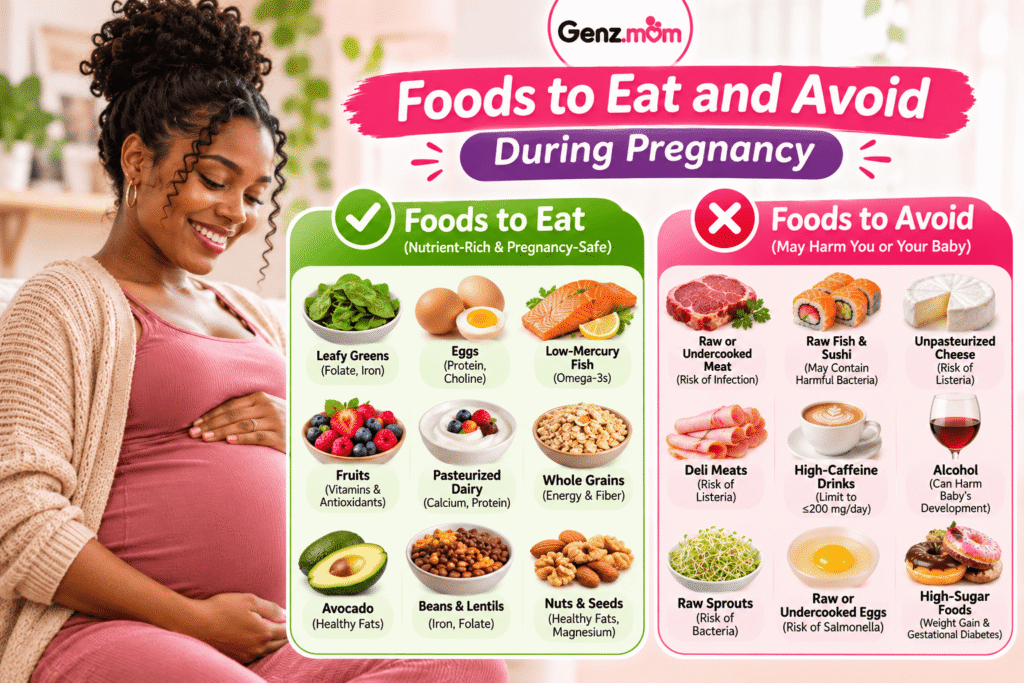
Foods to include in your pregnancy diet:
| Food group | Examples |
|---|---|
| Protein | Dal, eggs, beans, paneer, tofu, chicken and fish |
| Whole grains | Whole wheat roti, oats, brown rice and millets |
| Vegetables | Spinach, carrots, broccoli, pumpkin and beans |
| Fruits | Apples, bananas, oranges, guava and seasonal fruits |
| Dairy | Pasteurised milk, curd, paneer and cheese |
| Healthy fats | Nuts, seeds, avocado and suitable cooking oils |
If you’re living in India, traditional home-cooked meals can provide a good nutritional foundation.
A simple meal might include roti, dal, cooked vegetables, curd and a serving of fruit. You don’t need expensive imported foods or special pregnancy products to eat well.
If you eat a vegetarian or vegan diet, discuss your protein, vitamin B12, iron, calcium and vitamin D requirements with your healthcare provider.
A few practical eating habits:
- Eat regular meals instead of skipping breakfast.
- Include a source of protein in your main meals.
- Wash fruits and vegetables thoroughly.
- Choose freshly prepared, properly cooked food.
- Drink enough water throughout the day.
- Avoid relying heavily on packaged snacks and sugary drinks.
If morning sickness makes eating difficult, try smaller meals throughout the day. Eating something simple before getting out of bed may also help.
Don’t force yourself to eat large portions. Focus on getting enough nutrition and speak to your doctor if vomiting makes it difficult to keep food or fluids down.
4. Understand Which Foods to Avoid During Pregnancy
Knowing what to eat is only half the picture. Understanding food safety is equally important.
Certain foods can expose you and your baby to harmful bacteria, parasites or excessive amounts of substances such as mercury.
Here are some important precautions.
Avoid or limit the following:
- Raw or undercooked meat: It may carry harmful bacteria or parasites. Make sure meat and poultry are thoroughly cooked.
- Raw seafood: Avoid raw fish, raw shellfish and dishes prepared with uncooked seafood.
- Unpasteurised milk: Choose pasteurised milk and dairy products.
- Unwashed fruits and vegetables: Wash them properly before eating.
- High-mercury fish: Avoid fish known to contain high levels of mercury. Choose safer, low-mercury fish instead.
- Excess caffeine: Many pregnancy guidelines recommend keeping caffeine intake below 200 mg per day.
- Alcohol: Avoid alcohol throughout pregnancy because no safe amount has been established.
For Indian mothers, this also means paying attention to food preparation and storage.
Street food isn’t automatically unsafe, but hygiene matters. Choose freshly prepared food from places with good hygiene standards. Avoid food that has been sitting uncovered for long periods.
Also, don’t assume that traditional herbal drinks, powders or homemade remedies are automatically safe during pregnancy. Check with your healthcare provider before using them.
The NHS provides detailed pregnancy food safety guidance, including advice about dairy, meat, seafood, caffeine and food preparation. NHS
5. Stay Physically Active, but Choose Safe Exercises
Prenatal Pelvic Floor Physical Therapy Sacramento | Floora PT
Many first-time mothers worry that exercise could harm their babies.
For most women with uncomplicated pregnancies, moderate physical activity is safe and beneficial. However, the right activity depends on your health, fitness level and pregnancy history.
You don’t need to join an expensive gym or follow a demanding workout plan.
Some simple activities include:
- Walking.
- Prenatal yoga.
- Swimming.
- Stationary cycling.
- Gentle stretching.
- Pregnancy-approved strength exercises.
The American College of Obstetricians and Gynecologists recommends at least 150 minutes of moderate-intensity aerobic activity per week for women with uncomplicated pregnancies, after appropriate medical assessment.
If you haven’t exercised regularly before pregnancy, start slowly. Even a short walk can be a good beginning.
Exercise precautions for expecting mothers:
- Avoid activities with a high risk of falling.
- Stay hydrated.
- Don’t exercise in extreme heat.
- Avoid contact sports.
- Don’t push yourself through pain or exhaustion.
- Avoid hot yoga and activities that cause overheating.
Stop exercising and seek medical advice if you experience vaginal bleeding, dizziness, chest pain, fluid leakage, painful contractions or other concerning symptoms.
If your pregnancy is considered high-risk, ask your doctor for an individual exercise plan. ACOG+1
6. Get Enough Sleep and Rest
Pregnancy can make you feel more tired than usual, especially during the first and third trimesters.
Your body is working hard to support your baby’s development. Hormonal changes, physical discomfort and frequent trips to the bathroom can also affect your sleep.
Getting enough rest should be part of your daily routine.
Here are a few habits that may help:
- Maintain a regular sleep schedule.
- Avoid heavy meals immediately before bedtime.
- Keep your bedroom comfortable and quiet.
- Reduce screen time before sleeping.
- Try a comfortable pregnancy pillow.
- Take short breaks during the day if needed.
As pregnancy progresses, sleeping on your side is generally recommended. From around 28 weeks, going to sleep on either side is advised rather than starting sleep on your back.
You can use pillows between your knees or under your bump to make sleeping more comfortable.
If you experience persistent insomnia, loud snoring with breathing pauses, severe fatigue or difficulty functioning during the day, discuss it with your healthcare provider.
7. Drink Enough Water Throughout the Day
Hydration is easy to overlook, but it matters during pregnancy.
Your body needs fluids to support increased blood volume, digestion, circulation and other normal pregnancy changes.
Not drinking enough water can contribute to dehydration, headaches, dizziness and constipation.
Some simple ways to stay hydrated include:
- Keep a water bottle nearby.
- Drink water regularly rather than waiting until you’re very thirsty.
- Include water-rich fruits such as oranges and watermelon.
- Have soups and other nutritious fluids.
- Drink extra fluids when exercising or spending time in hot weather.
In warmer climates, including many parts of India, hydration deserves extra attention.
Tender coconut water can be a refreshing drink if it’s hygienically prepared, but plain safe drinking water should remain your main source of hydration.
There is no single daily fluid target that suits every pregnant woman. Your needs may change with the weather, activity level and medical conditions.
If you have been advised to restrict fluids because of a medical condition, follow your doctor’s instructions.
8. Take Care of Your Mental Health
Mindful Pregnancy: Connect with Your Baby Through Reflective Journaling | Ahead App Blog
Pregnancy isn’t only a physical journey. It can bring emotional changes, too.
You might feel excited one moment and worried the next. You may become more sensitive, experience mood changes or worry about childbirth and becoming a parent.
These feelings don’t mean you’re doing anything wrong.
Your mental health deserves the same attention as your physical health.
Here are some ways to support your emotional well-being:
Talk about your feelings. Share your concerns with your partner, family member or someone you trust.
Avoid unnecessary comparisons. Every pregnancy is different. Comparing your symptoms, baby bump or pregnancy journey with someone else’s can create unnecessary stress.
Take breaks from social media. Too much conflicting pregnancy advice can make you anxious.
Make time for yourself. Read, listen to music, enjoy a hobby or spend time outdoors.
Ask for professional support. If you experience persistent sadness, anxiety, panic attacks or loss of interest in everyday activities, speak with a healthcare professional.
Pregnancy can be emotionally demanding. You don’t have to manage everything alone.
9. Be Careful With Medicines and Supplements
One of the biggest mistakes first-time mothers can make is assuming that commonly used medicines are automatically safe during pregnancy.
Some medicines can affect your baby’s development. This includes certain prescription drugs, over-the-counter medicines, herbal products and dietary supplements.
Before taking any medicine, check with your doctor or pharmacist.
This applies to:
- Painkillers.
- Cold and cough medicines.
- Allergy medicines.
- Acne treatments.
- Herbal supplements.
- Weight-loss products.
- Traditional or alternative remedies.
Also, don’t suddenly stop a prescribed medicine without medical advice. Some health conditions require ongoing treatment during pregnancy.
If you take regular medication for thyroid problems, diabetes, epilepsy, high blood pressure or another condition, arrange an early review with your healthcare provider.
The right treatment can protect both you and your baby.
10. Avoid Smoking, Alcohol and Secondhand Smoke
Avoiding tobacco and alcohol is one of the most important pregnancy safety steps.
Smoking during pregnancy increases the risk of several complications, including poor fetal growth, premature birth and low birth weight.
Secondhand smoke can also be harmful. Try to maintain a smoke-free home and environment.
Alcohol should be avoided completely during pregnancy. Drinking alcohol can affect your baby’s development, and no safe level has been established.
Avoid recreational drugs as well. If you need help stopping tobacco, alcohol or drug use, speak with a healthcare professional without feeling embarrassed.
Asking for help is a positive step towards a healthier pregnancy.
11. Keep Track of Your Pregnancy Appointments and Tests
Regular prenatal appointments help your healthcare provider monitor your health and your baby’s development.
It’s tempting to skip an appointment when you’re feeling perfectly fine. However, some pregnancy conditions don’t produce obvious symptoms.
Your doctor may recommend different tests at different stages.
These can include:
| Pregnancy stage | Common checks and care |
|---|---|
| First trimester | Pregnancy assessment, blood tests, blood group, infection screening and early ultrasound when indicated |
| Second trimester | Fetal growth assessment, anatomy scan and gestational diabetes screening |
| Third trimester | Blood pressure checks, fetal growth monitoring, fetal movement advice and birth preparation |
The exact schedule depends on your country, medical history and pregnancy needs.
In India, ask your healthcare provider about antenatal registration, recommended iron and folic acid supplements, tetanus-diphtheria vaccination and other care under local guidelines.
Keep copies of your ultrasound reports, blood tests and prescriptions.
Most importantly, never miss a recommended test simply because you feel healthy.
12. Learn to Recognise Pregnancy Warning Signs
Some discomfort is common during pregnancy. However, certain symptoms should never be ignored.
Knowing when to seek medical attention can make a real difference.
Seek urgent medical attention
Contact your healthcare provider or seek emergency care if you experience:
- Heavy vaginal bleeding.
- Severe or persistent abdominal pain.
- Severe headache, especially with blurred vision.
- Sudden swelling of the face or hands.
- Chest pain or difficulty breathing.
- Fainting or seizures.
- Fever or signs of a serious infection.
- Persistent vomiting with an inability to keep fluids down.
- Fluid leaking from the vagina.
- Regular painful contractions before your due date.
- Noticeably reduced or stopped baby movements after you have started feeling them regularly.
Don’t wait for your next scheduled appointment if something feels seriously wrong.
For pregnant women, symptoms such as severe headache, vision changes and sudden swelling can sometimes indicate preeclampsia, a serious pregnancy complication.
If you feel something isn’t right, it’s better to get checked.
13. Prepare for Your Baby Without Rushing
The Honest Truth About H&M Baby Clothes – KIANAO
First-time mothers often feel pressure to prepare everything as soon as they discover they’re pregnant.
You might start looking at baby clothes, strollers, cribs, feeding bottles and hospital bags.
It’s exciting, but you don’t need to buy everything immediately.
Start with the essentials and prepare gradually.
Some useful things to plan include:
- Choosing your maternity hospital or birth facility.
- Understanding your delivery options.
- Discussing pain relief during labour.
- Preparing a hospital bag.
- Arranging transport for the hospital.
- Learning basic newborn care.
- Understanding breastfeeding and feeding support.
- Planning help for the first few weeks after delivery.
If possible, involve your partner in these preparations.
You can also attend antenatal classes. These sessions may help you understand labour, childbirth, breastfeeding and newborn care.
Remember that preparing for motherhood isn’t about purchasing the most expensive baby products. It’s about making sure you have the support and essentials you need.
14. Build a Support System Around Yourself
Your first pregnancy can become easier when you have people you can rely on.
Pregnancy brings physical changes, appointments, new responsibilities and plenty of decisions. Having emotional and practical support can reduce unnecessary stress.
Talk to your partner about how they can help.
For example, they can:
- Accompany you to prenatal appointments.
- Help prepare nutritious meals.
- Share household responsibilities.
- Join you for walks.
- Learn about childbirth and newborn care.
- Help organise the hospital bag.
If you’re living with family, communicate your needs clearly.
Sometimes, well-meaning relatives may offer advice based on personal experiences or traditional beliefs. You can appreciate their concern while following evidence-based medical guidance.
Your doctor should be your main source of medical advice.
15. Don’t Believe Every Pregnancy Myth You Hear
Pregnancy advice comes from everywhere.
Friends, relatives, neighbours and social media may all have different opinions about what you should eat, how you should sleep and what activities you should avoid.
Some advice may be helpful. Other suggestions may be based on outdated beliefs.
Here are a few common pregnancy myths worth understanding.
| Pregnancy myth | What you should know |
|---|---|
| You must eat twice as much food. | You need a balanced diet, not double portions. |
| Exercise is dangerous during pregnancy. | Moderate exercise is safe for most uncomplicated pregnancies. |
| Every pregnant woman must avoid travelling. | Travel may be possible, depending on pregnancy stage and medical circumstances. |
| You should avoid all seafood. | Properly cooked, low-mercury seafood can provide useful nutrients. |
| You should stay in bed throughout pregnancy. | Routine bed rest is not recommended for every pregnancy. |
| Herbal remedies are always safe. | Some herbs and supplements may be harmful during pregnancy. |
Before following any advice, check whether it comes from a reliable medical source.
Your pregnancy is unique. What worked for someone else may not be appropriate for you.
16. Follow a Simple and Healthy Daily Pregnancy Routine
You don’t need a complicated schedule to have a healthy pregnancy.
A few consistent habits can help you feel more organised and take better care of yourself.
Here’s an example of a simple daily routine for an expecting mother.
A simple daily pregnancy routine
- Morning
- Wake up and drink a glass of water.
- Eat a nutritious breakfast.
- Take prescribed supplements.
- Enjoy a gentle walk if your doctor approves.
- Afternoon
- Have a balanced lunch.
- Drink enough water.
- Take a short rest.
- Eat a healthy snack if you’re hungry.
- Evening
- Spend some time relaxing.
- Try gentle pregnancy-approved activity.
- Eat a nutritious dinner.
- Prepare for the next day’s appointments or activities.
- Night
- Avoid heavy meals close to bedtime.
- Reduce screen time.
- Sleep comfortably on your side as pregnancy progresses.
This is a general example, not a medical prescription. Adjust it to your energy levels, work schedule and doctor’s recommendations.
The most important thing is consistency. You don’t need to follow a perfect routine every single day.
Listen to your body and make changes when necessary.
Pregnancy Dos and Don’ts for First-Time Moms
Let’s quickly summarise the most important pregnancy dos and don’ts.
Pregnancy Dos
- Attend prenatal appointments.
- Eat balanced meals.
- Take prescribed supplements.
- Drink enough water.
- Stay physically active if cleared.
- Get adequate sleep.
- Maintain good hygiene.
- Look after your mental health.
- Monitor your baby’s movements when appropriate.
- Ask questions when concerned.
Pregnancy Don’ts
- Don’t consume alcohol.
- Don’t smoke or use tobacco.
- Don’t eat raw or undercooked risky foods.
- Don’t take medicines without checking.
- Don’t use unverified supplements.
- Don’t ignore warning signs.
- Don’t overexert yourself.
- Don’t follow every internet myth.
- Don’t skip recommended tests.
- Don’t compare your pregnancy with others.
These are general recommendations. Your healthcare provider may give you additional precautions based on your individual pregnancy.
Frequently Asked Questions About Pregnancy for First-Time Moms
Here are some common questions that expecting mothers search for when looking for first-time pregnancy advice.
1. What should I do first after finding out I’m pregnant?
Start by arranging an appointment with an obstetrician, gynecologist or qualified pregnancy care provider. Begin or continue folic acid as recommended, review any existing medications with your doctor and arrange your first antenatal check-up.
Avoid alcohol, tobacco and unapproved medications. Early prenatal care helps establish a suitable care plan for your pregnancy.
2. What are the most important things to avoid during pregnancy?
Avoid alcohol, smoking, recreational drugs, raw or undercooked meat and seafood, unpasteurised dairy products and high-mercury fish.
Limit caffeine according to pregnancy guidance, generally to less than 200 mg daily. Also avoid taking medicines, herbal products or supplements without checking with your healthcare provider.

3. Which foods are best for first-time pregnant mothers?
A balanced diet containing fruits, vegetables, whole grains, protein-rich foods and pasteurised dairy products is a good foundation.
Indian mothers can include dal, roti, rice, seasonal vegetables, curd, paneer, nuts and thoroughly cooked eggs or meat, depending on their dietary preferences.
Try to include different food groups instead of depending on just a few foods.
4. Is walking safe during the first trimester?
Walking is generally safe for women with uncomplicated pregnancies. It can help maintain fitness, improve mood and support overall health.
However, if you have bleeding, severe pain, a history of certain pregnancy complications or another medical concern, consult your doctor before starting or continuing an exercise routine.
5. How much sleep does a pregnant woman need?
Sleep needs vary from person to person. Many pregnant women benefit from around 7–9 hours of nighttime sleep, with additional rest if needed.
Hormonal changes and physical discomfort can affect sleep quality. Maintaining a regular bedtime and using supportive pillows may help.
If sleep problems become persistent, discuss them with your healthcare provider.
6. When should I start taking pregnancy supplements?
Folic acid is ideally started before conception and continued through the first 12 weeks of pregnancy.
Your doctor may recommend additional supplements, including iron, calcium or vitamin D, depending on your nutritional needs and test results.
Don’t start multiple supplements together without checking their ingredients and doses.
7. Can I travel during my first pregnancy?
Many women can travel safely during pregnancy, but the best time and method depend on their health, pregnancy stage and destination.
For longer journeys, ask your healthcare provider about movement breaks, hydration and other precautions.
If you have bleeding, a high-risk pregnancy or another complication, get medical advice before travelling.
8. When should I start preparing for childbirth?
You can start learning about childbirth during the second trimester.
This gives you time to understand delivery options, explore maternity facilities, attend antenatal classes and discuss birth preferences with your healthcare provider.
By the third trimester, you can prepare your hospital bag, arrange transport and organise essential newborn supplies.
9. Is it normal to feel scared during your first pregnancy?
Yes. Feeling nervous, uncertain or overwhelmed is common, especially when everything is new.
Talking to your partner, family or healthcare provider can help. If anxiety or sadness becomes persistent or starts affecting your daily life, seek professional support.
10. How can I make sure my baby stays healthy during pregnancy?
There is no way to guarantee a completely complication-free pregnancy. However, you can support your health and your baby’s development by attending prenatal appointments, following nutritional advice, taking recommended supplements, avoiding harmful substances and seeking medical care when warning signs appear.
Regular monitoring and early attention to health concerns are important throughout pregnancy.
Final Thoughts: Enjoy Your First Pregnancy, One Day at a Time
Your first pregnancy is a journey filled with new experiences, questions, emotions and expectations.
Some days will feel exciting. Others may be uncomfortable or stressful. You might experience morning sickness, tiredness, mood changes or difficulty sleeping. These changes can take time to adjust to.
Don’t put unnecessary pressure on yourself to do everything perfectly.
Focus on the things that matter most. Eat nutritious food, attend your prenatal appointments, take your recommended supplements, stay active when it’s safe and give yourself enough time to rest.
Don’t hesitate to ask your doctor questions, even if they seem small. It’s always better to understand something than to worry about it unnecessarily.
Most importantly, remember that every pregnancy is different. Your experience doesn’t have to look like your friend’s, your sister’s or anyone else’s.
Take care of yourself, accept support when you need it and enjoy the little moments along the way.
You’re not just preparing to welcome a baby. You’re also learning to become a mother. And it’s perfectly okay to learn one day at a time.
Medical Sources and Further Reading
The following trusted resources support the health information discussed in this article:
- World Health Organization – WHO Recommendations for Antenatal Care. Guidance on prenatal appointments, nutritional counselling, supplements and pregnancy monitoring.
- World Health Organization – Recommendations for a Positive Pregnancy Experience. Antenatal care recommendations and maternal health.
- Government of Odisha – Guidelines for Antenatal Care. Guidance relevant to pregnancy care in India.
- NHS – Foods to Avoid During Pregnancy. Practical food safety recommendations for expecting mothers.
- American College of Obstetricians and Gynecologists – Exercise During Pregnancy. Exercise guidance and safety precautions.
- ACOG – Physical Activity and Exercise During Pregnancy. Clinical guidance on physical activity during pregnancy.
Medical disclaimer: This article is intended for general educational purposes. It does not replace individual medical advice, diagnosis or treatment. Pregnancy needs vary, so consult a qualified healthcare professional before making changes to your diet, exercise routine, medications or supplements.
