
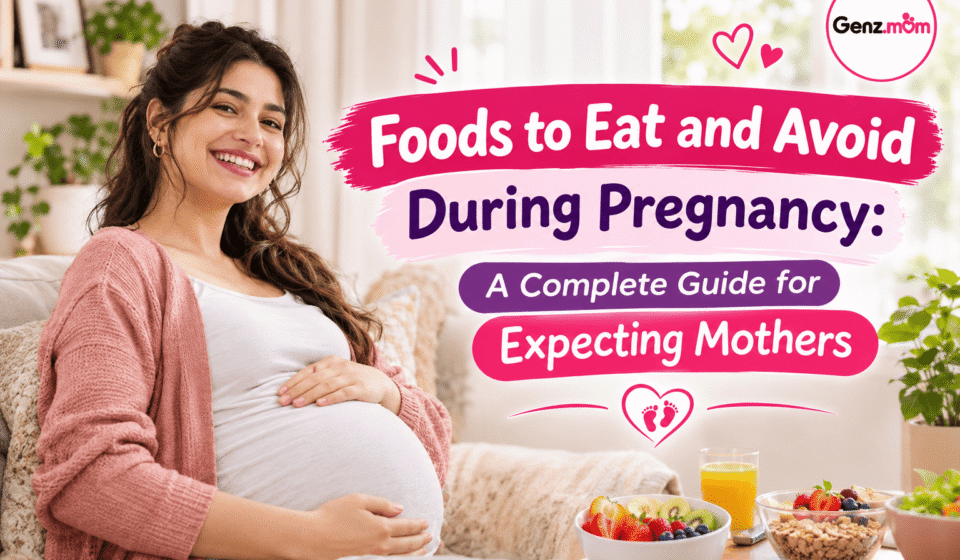

Foods to Eat and Avoid During Pregnancy: A Complete Guide for Expecting Mothers
Finding out that you’re pregnant can change the way you look at your food. Suddenly, you start checking ingredients, questioning your favourite drinks and wondering whether something you eat every day could affect your baby. Even simple meals can raise questions, especially when family members and the internet offer different opinions.
The good news is that you don’t need an expensive diet or complicated meal plan to eat well during pregnancy. Everyday foods such as dal, vegetables, fruits, milk, eggs, nuts and whole grains can provide many of the nutrients your body needs. What matters is choosing a variety of foods and preparing them safely.
At the same time, certain foods can increase your risk of food poisoning or expose your baby to harmful substances. Understanding these risks can help you make better choices without unnecessarily restricting your diet. Here’s a practical guide to the foods you should include, the ones you should avoid and how to build a healthy pregnancy diet.
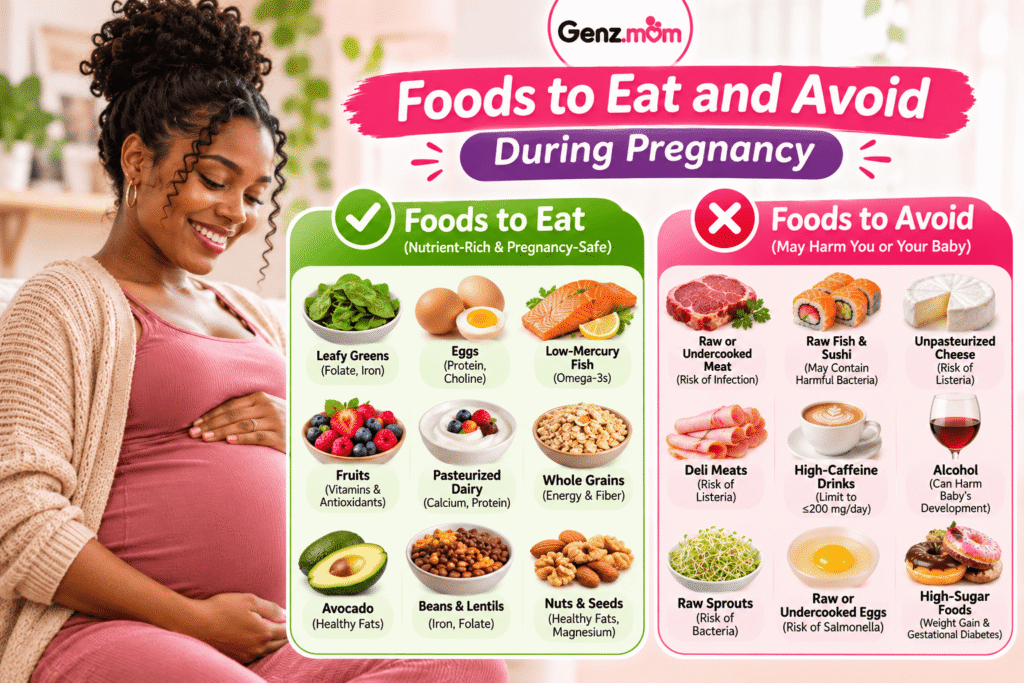
1. Include Protein-Rich Foods in Your Daily Meals
Protein supports your baby’s growth and helps your body develop new tissues during pregnancy. It also helps maintain your muscles and supports several important changes in your body. Including a protein source in your regular meals can make your diet more balanced.
If you eat Indian food, dal, chickpeas, rajma, beans, paneer, tofu and thoroughly cooked eggs are useful options. Non-vegetarian mothers can also include properly cooked chicken and low-mercury fish. Nuts and seeds provide additional nutrients and make convenient snacks.
Try to include different protein sources instead of relying on just one food. If you follow a vegetarian or vegan diet, ask a dietitian to check whether your meals provide enough protein, iron and vitamin B12.
2. Eat Fresh Fruits and Vegetables
Fruits and vegetables provide vitamins, minerals, fibre and antioxidants that support your overall health. They also help you add variety to your meals and maintain healthy digestion. Aim to eat different colours rather than choosing the same few fruits and vegetables every day.
Bananas, oranges, apples, guava, berries and seasonal fruits can all fit into a balanced pregnancy diet. Vegetables such as spinach, carrots, broccoli, pumpkin, beans and beetroot also provide useful nutrients. Indian mothers can enjoy seasonal produce, including amla, gourds and green leafy vegetables.
However, wash fresh produce thoroughly under clean running water before eating or cutting it. Remove damaged portions and keep prepared fruits and vegetables refrigerated when necessary. Don’t eat unwashed produce simply because it looks clean.
3. Choose Whole Grains for Everyday Energy
Your body needs energy throughout pregnancy, and whole grains can provide a useful source of carbohydrates and fibre. They also help you build satisfying meals when you combine them with protein and vegetables. Instead of removing carbohydrates, choose nutritious varieties more often.
Roti made with whole wheat flour, oats, brown rice, ragi, jowar and bajra can fit into a healthy Indian pregnancy diet. International options include wholegrain bread, quinoa and wholegrain cereals. You can also combine rice with dal and vegetables to create a balanced meal.
Whole grains provide more fibre than highly refined alternatives, which may help with constipation. However, you don’t need to avoid white rice or other refined grains completely. Focus on variety, portion sizes and your individual nutritional needs.
4. Include Milk and Other Calcium-Rich Foods
Calcium supports your baby’s developing bones and teeth while helping maintain your own bone health. Dairy products can provide calcium, protein and other nutrients during pregnancy. If you enjoy milk, curd or paneer, you can include them in your regular meals.
Choose pasteurised milk, yoghurt, cheese and other dairy products. Indian mothers can include plain curd, homemade dishes prepared with pasteurised milk and properly stored paneer. If you avoid dairy, consider calcium-fortified alternatives and discuss your nutritional needs with your healthcare provider.
Avoid unpasteurised milk and dairy products made from it. These products may contain harmful bacteria, including Listeria, which can cause serious pregnancy complications. Always check product labels when you’re unsure about pasteurisation.
5. Eat Fruits and Foods Rich in Folate and Iron
Folate and iron deserve special attention during pregnancy because they support important processes in your body. Folate helps your baby’s early brain and spinal cord development, while iron supports haemoglobin production and oxygen transport. Your doctor may recommend supplements to help meet your increased nutritional needs.
Include spinach, methi, lentils, chickpeas, beans, citrus fruits and other nutritious foods in your meals. Vitamin C-rich foods such as oranges, guava and amla can help your body absorb iron from plant sources. This combination works particularly well in Indian diets.
However, food alone may not provide enough folic acid during early pregnancy. Most women need a 400-microgram folic acid supplement daily before conception and during the first 12 weeks, although some women require a different dose. Follow your doctor’s advice about folic acid and iron supplementation.
6. Choose Fish Carefully During Pregnancy
Fish can provide protein and omega-3 fatty acids, which support your baby’s development. However, some fish contain higher levels of mercury, which can harm a developing baby’s nervous system. You should choose suitable varieties rather than avoiding all seafood.
Low-mercury options may include salmon, sardines, trout and other locally recommended fish. Indian mothers can ask their healthcare providers about commonly available fish varieties in their region. Always cook fish thoroughly and follow local seafood safety recommendations.
Avoid high-mercury fish such as shark, swordfish, marlin and king mackerel. Also, avoid raw fish and raw shellfish because they can carry harmful bacteria or parasites. Recommendations for tuna and other fish vary by country, so check the guidance that applies to your location.
7. Understand Which Foods to Avoid During Pregnancy
While most everyday foods can fit into a healthy pregnancy diet, a few categories need extra care. Some foods can carry bacteria or parasites that cause foodborne infections. Others contain substances that may affect your baby’s development.
Avoid or carefully manage the following:
- Raw or undercooked meat: It may carry harmful bacteria or parasites. Cook meat and poultry thoroughly.
- Raw seafood: Avoid raw fish, raw shellfish and sushi made with raw seafood.
- Unpasteurised dairy: Choose pasteurised milk, cheese and yoghurt.
- High-mercury fish: Avoid fish known to contain excessive mercury.
- Liver and liver products: These can contain high amounts of vitamin A, which may harm your baby’s development.
- Alcohol: Avoid it completely because no safe amount has been established during pregnancy.
- Unwashed produce: Wash fruits and vegetables carefully before eating them.
Also, handle leftovers safely and avoid food that has remained at room temperature for too long. Good food hygiene matters just as much as choosing nutritious ingredients.
8. Limit Caffeine and Be Careful With Herbal Drinks
Many expecting mothers enjoy tea or coffee, especially as part of their morning routine. You don’t necessarily need to stop drinking them completely, but you should monitor your total caffeine intake. Most major pregnancy guidelines recommend keeping caffeine below 200 milligrams per day.
Remember that coffee, tea, cola, chocolate and energy drinks can all contain caffeine. The amount varies depending on the serving size and preparation method. Consider smaller servings or decaffeinated alternatives if you regularly drink several cups.
Herbal drinks also need attention because researchers haven’t studied every ingredient for pregnancy safety. Avoid using concentrated herbal preparations or medicinal teas without medical advice. Also, avoid alcohol throughout pregnancy.
9. Follow These Simple Pregnancy Eating Habits
Eating well doesn’t require complicated recipes or expensive ingredients. A few everyday habits can help you maintain a balanced diet and reduce food safety risks.
- Eat regular meals and include nutritious snacks when needed.
- Combine protein, vegetables and whole grains in your main meals.
- Drink enough safe drinking water.
- Wash fruits and vegetables before eating them.
- Cook meat, eggs and seafood thoroughly.
- Choose pasteurised dairy products.
- Limit highly processed foods and sugary drinks.
- Follow your doctor’s supplement recommendations.
- Avoid extreme diets and unnecessary food restrictions.
If morning sickness affects your appetite, try smaller and more frequent meals. Speak with your doctor if vomiting makes it difficult to eat or drink enough.
Frequently Asked Questions About Foods to Eat and Avoid During Pregnancy
1. Which foods are best during pregnancy?
Fruits, vegetables, whole grains, lentils, beans, nuts, pasteurised dairy products, eggs and properly cooked low-mercury fish can form part of a balanced pregnancy diet. Choose different foods to meet your nutritional needs.
2. Which fruits are safe to eat during pregnancy?
Apples, bananas, oranges, guava, berries and many seasonal fruits are suitable choices. Wash them thoroughly before eating. Whole fruits generally provide more fibre than fruit juices.
3. Can pregnant women eat papaya?
Fully ripe papaya can generally fit into a balanced diet, while people commonly advise avoiding unripe or semi-ripe papaya during pregnancy. Because evidence about unripe papaya remains limited, discuss it with your healthcare provider rather than relying on internet claims.
4. Can I eat eggs during pregnancy?
Yes. Eggs provide protein and other nutrients. Cook them thoroughly unless your local food safety authority specifically approves a safer alternative based on controlled egg production standards.
5. Is curd safe during pregnancy?
Yes. Curd made from pasteurised milk and prepared and stored hygienically can form part of a healthy pregnancy diet. Avoid dairy products made from unpasteurised milk.
6. Can I eat rice during pregnancy?
Yes. Rice can provide energy and fit into a balanced pregnancy diet. Combine it with dal, vegetables and a protein source to make your meals more nutritious.
7. How much caffeine can I consume during pregnancy?
Many major health guidelines recommend limiting caffeine to less than 200 milligrams daily. Include caffeine from coffee, tea, chocolate, cola and other drinks when calculating your intake.
8. Should I avoid all seafood during pregnancy?
No. Properly cooked, low-mercury seafood can provide useful nutrients. Avoid raw seafood and high-mercury fish, and follow local recommendations about safe fish varieties and serving amounts.
Eating well during pregnancy doesn’t mean following a perfect diet every day. Focus on variety, food safety and the nutrients your body needs. Choose nutritious everyday meals, avoid foods that carry known risks and speak with your healthcare provider about supplements or special dietary needs. Small, consistent choices can help you support your health while your baby grows.
Medical references
These are reliable sources to support the article’s nutritional and food safety recommendations:
- ICMR – National Institute of Nutrition: Dietary Guidelines for Indians. Particularly useful for Indian food choices, pregnancy nutrition and meal planning.
- NHS – Foods to Avoid During Pregnancy. Covers dairy, meat, seafood, caffeine and food safety.
- ACOG – Healthy Eating During Pregnancy. Covers nutrition, fish and mercury precautions.
- NHS – Pregnancy Vitamins and Supplements. Explains folic acid and vitamin supplementation.
- NIDDK – Health Tips for Pregnant Women. Covers healthy eating and foods to avoid.
Medical disclaimer: This article provides general educational information and does not replace individual medical advice. Consult your healthcare provider about your nutritional needs, supplements, allergies and pregnancy-related dietary restrictions.

[…] Foods to Eat and Avoid During Pregnancy: Complete Guide […]